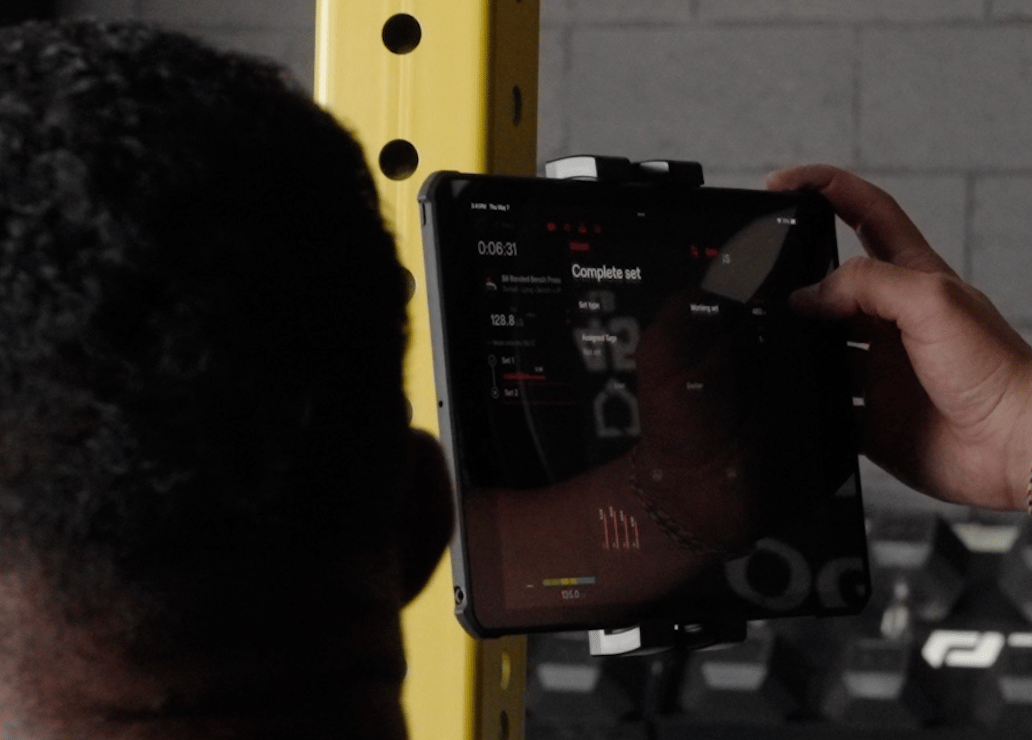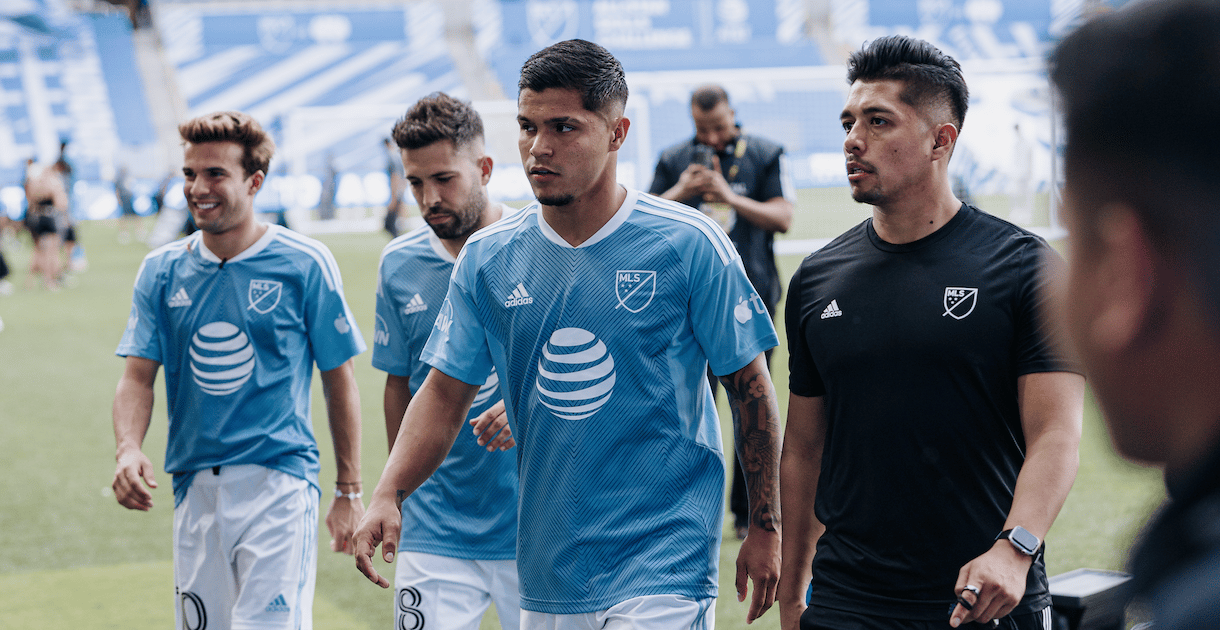
Training doesn’t make an athlete better by itself. The workout is only the stimulus — the body still has to adapt to it, and that adaptation happens during recovery, not during the session. Training, recovery, and adaptation are one loop. Skip a link, and performance stalls no matter how hard the training gets.
Every training block, match, and hard day at school adds to the same stress bucket — practice, games, travel, poor sleep, schoolwork, life. The body doesn’t experience training in isolation. It has to manage the total load placed on it, not just the workout in front of it.
This is where a lot of well-intentioned training goes wrong. When performance starts slipping, the instinct is almost always to do more — train harder, add a session, pile on conditioning. But sometimes you’re trying to solve fatigue with more fatigue, and the bucket just keeps filling.
Three things we prioritize with every athlete we train
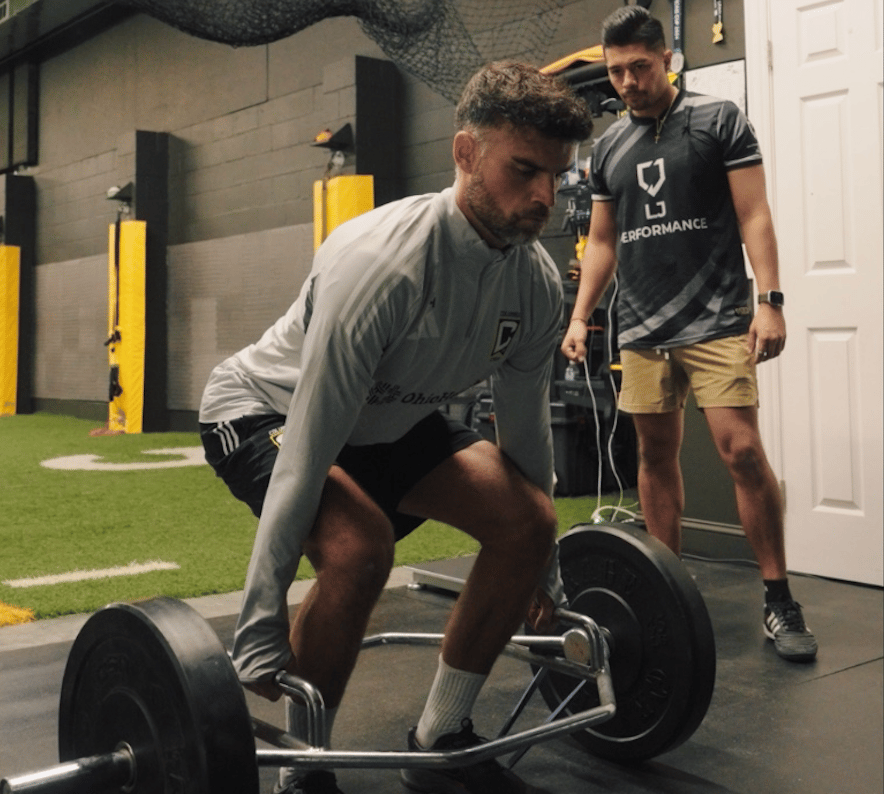
- We ask what adaptation we’re actually chasing before adding another session — more work only helps if it’s solving the right problem.
- We treat sleep, nutrition, and recovery time as real performance interventions, not afterthoughts — sometimes the best next step is rest, not another rep.
- We know when to push and when to pull back. High performance still requires hard training — the skill is knowing which day is which.
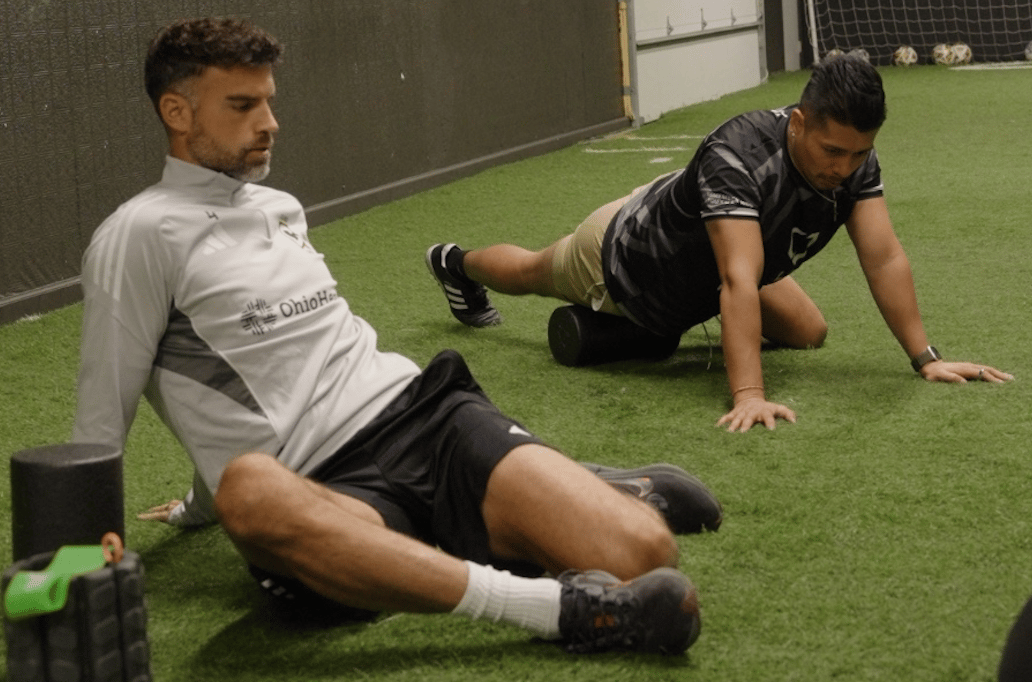
The best program isn’t the one with the most work in it. It’s the one that creates the right adaptation at the right time. That’s the read we give every athlete who trains with us — and it’s exactly what we walk through in a free trial session: where your athlete’s training load actually sits, and what they need more (or less) of to move forward. Book your One-Time Free Trial here, by age group: